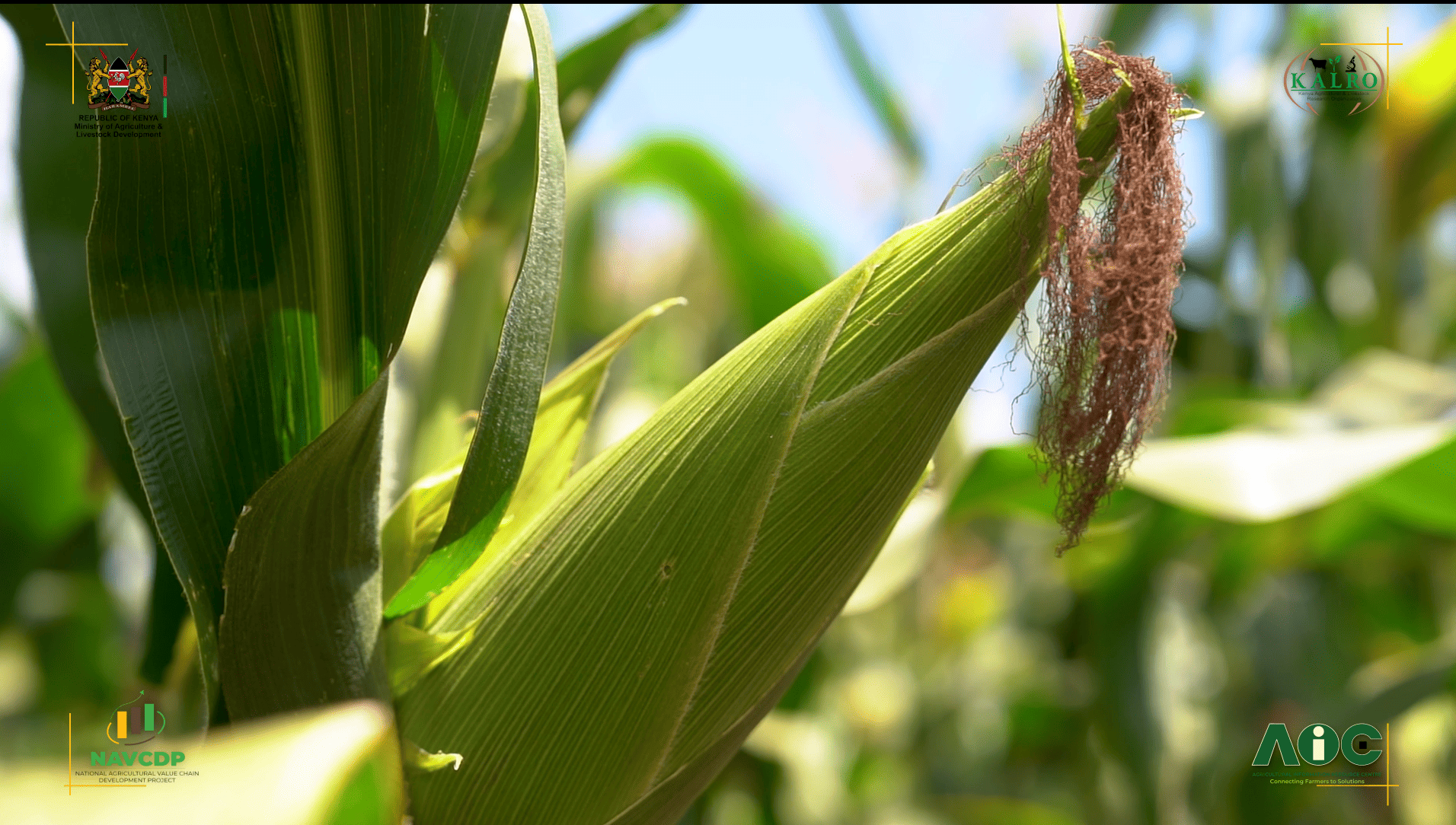
The Maize Farming course equips farmers, extension officers, and agripreneurs with practical knowledge and proven techniques for achieving higher productivity and profitability in maize production. Developed by experts from the Kenya Agricultural and Livestock Research Organization (KALRO), the course is based on research-backed Technologies, Innovations, and Management Practices (TIMPs) suitable for Kenya’s diverse agro-ecological zones.
The course covers the full maize production cycle — from land preparation and seed selection to harvesting and post-harvest handling — with a strong emphasis on soil fertility management, pest and disease control, and climate-smart farming practices. It highlights how farmers can adapt to changing weather conditions and optimize input use for sustainable yields.
Through practical video lessons, learners will gain skills to:
-
Select appropriate maize varieties suited to specific climatic and soil conditions.
-
Prepare land properly and establish optimal plant spacing for maximum yields.
-
Apply recommended fertilizer rates and adopt integrated soil fertility management.
-
Manage weeds effectively using cultural and mechanical methods.
-
Identify and control common pests and diseases such as fall armyworm, maize stalk borer, and maize lethal necrosis (MLN).
-
Implement good water management and conservation practices.
-
Harvest, dry, and store maize safely to prevent losses and aflatoxin contamination.
-
Explore value addition and marketing opportunities for better income.
By the end of this course, farmers will be equipped with the knowledge and confidence to apply modern, research-based, and climate-smart maize production practices, leading to improved productivity, household food security, and resilience to climate change.