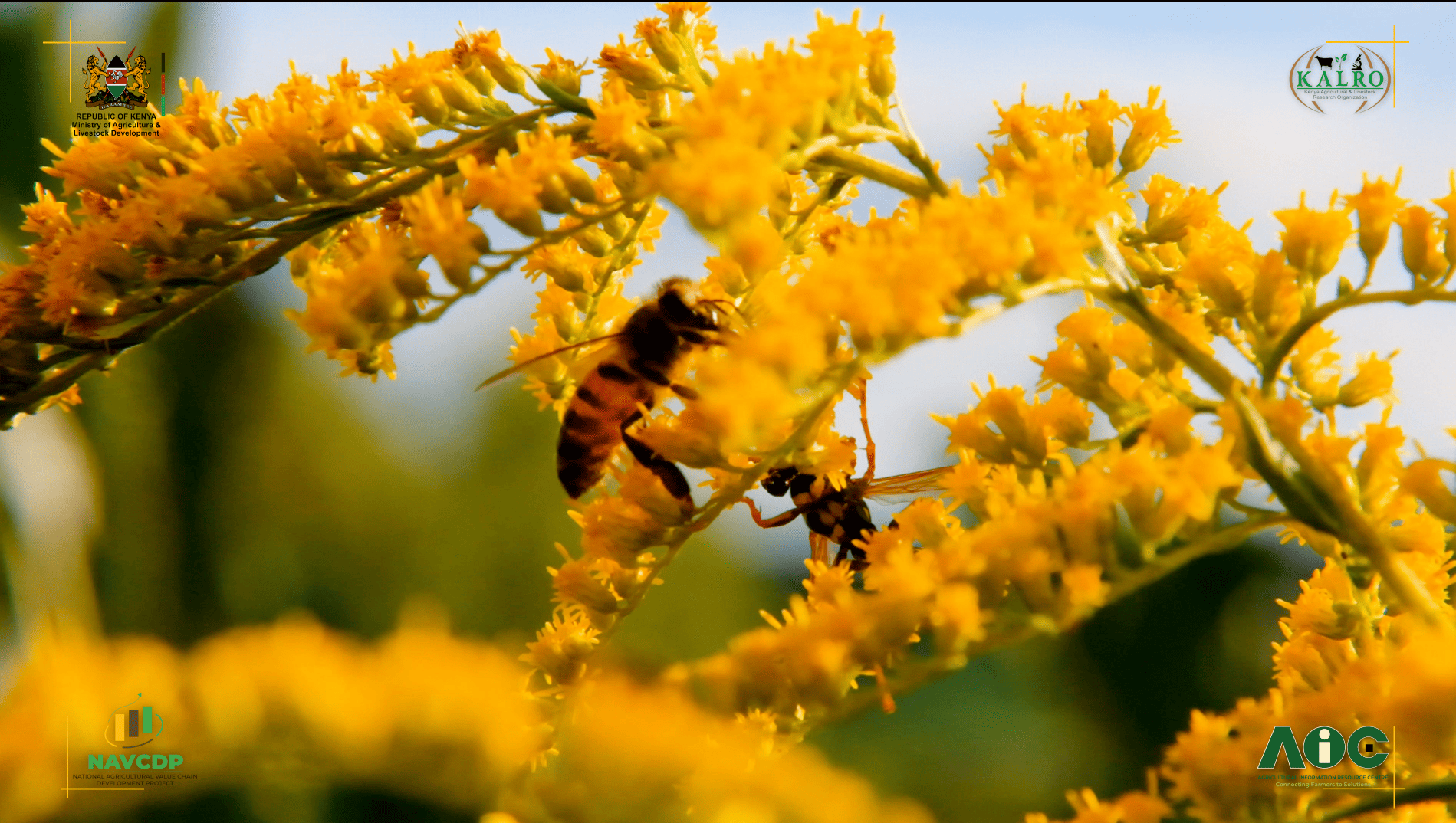
The Apiculture Farming course provides farmers, extension officers, and agripreneurs with practical knowledge and skills to establish and manage sustainable beekeeping enterprises. Developed by the Kenya Agricultural and Livestock Research Organization (KALRO), the course integrates research-backed practices with hands-on demonstrations to improve honey production, enhance pollination services, and support rural livelihoods.
Beekeeping is a high-value agricultural activity that contributes to food security, biodiversity, and household incomes. This course addresses common challenges such as colony management, pest and disease control, and marketing of bee products through easy-to-follow video lessons and field demonstrations.
Learners will gain practical skills to:
-
Select suitable bee species (e.g., Apis mellifera) and appropriate hive types (traditional, Kenyan top bar, Langstroth).
-
Establish apiaries in safe, productive, and environmentally-friendly locations.
-
Manage bee colonies, including swarming control, feeding, and seasonal management.
-
Identify and prevent common pests and diseases such as Varroa mites, wax moths, and American foulbrood.
-
Harvest honey and other bee products (beeswax, propolis, royal jelly) without harming the colony.
-
Store and process honey safely to maintain quality and market value.
-
Access local and international markets, adding value through packaging and certification.
By the end of this course, participants will be equipped to run productive, climate-smart, and commercially viable apiculture enterprises, thereby contributing to increased incomes, food security, and environmental sustainability.