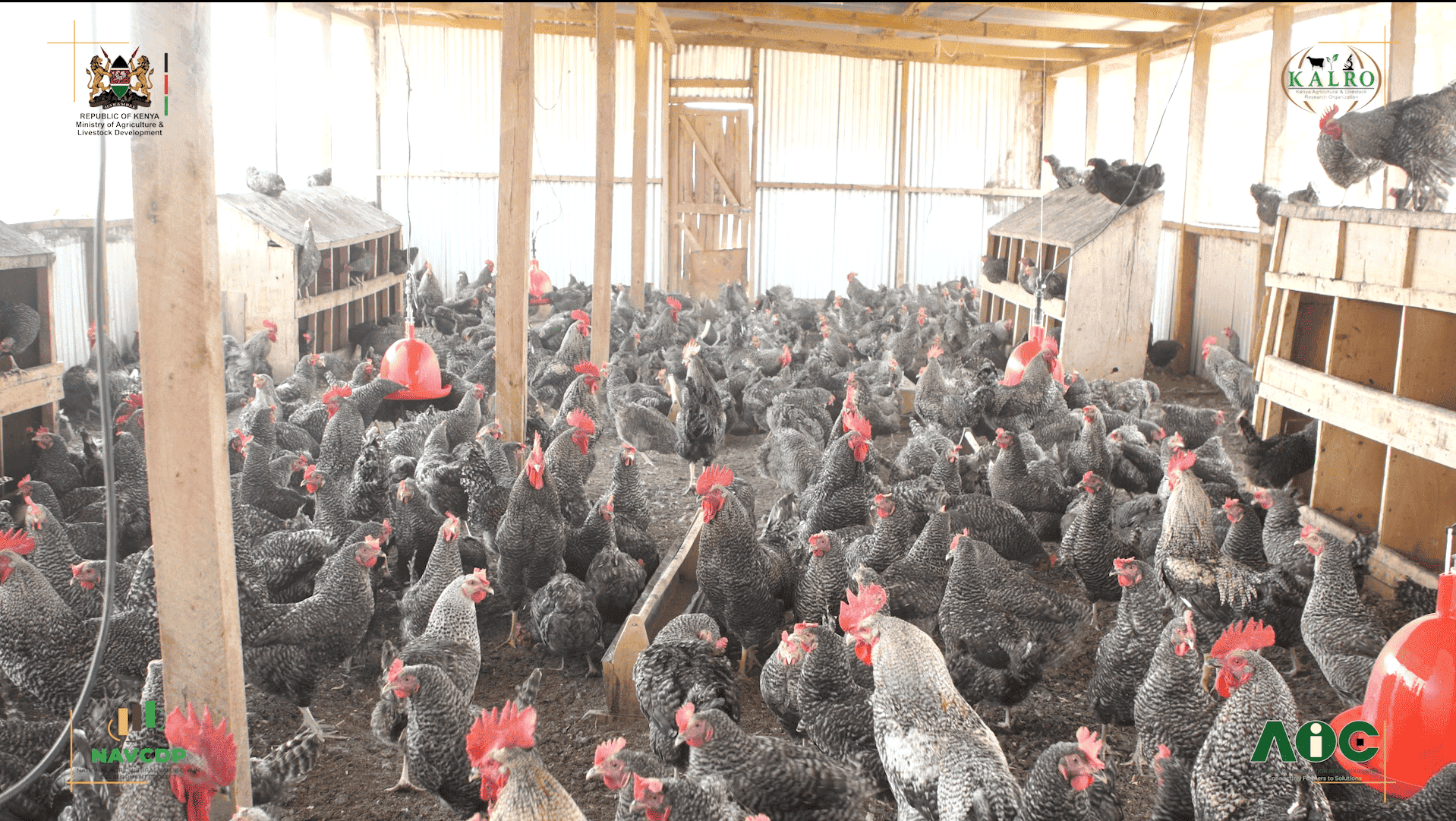
The Chicken Farming course provides farmers, extension officers, and agripreneurs with practical knowledge and skills to establish and manage sustainable and profitable poultry enterprises. Developed by the Kenya Agricultural and Livestock Research Organization (KALRO), the course covers both indigenous (Kienyeji) and commercial broiler/chicken production systems, integrating research-based practices and hands-on demonstrations to enhance productivity, profitability, and food security.
Poultry farming is a key source of income, nutrition, and employment for many households in Kenya. This course addresses common challenges in chicken farming such as poor housing, disease outbreaks, inadequate feeding, and marketing constraints. It equips learners with modern techniques and good agricultural practices to optimize production.
Participants will gain practical skills to:
-
Select appropriate chicken breeds for specific production systems (Kienyeji, broilers, layers).
-
Construct safe, well-ventilated housing and secure chicken enclosures.
-
Formulate and manage balanced feeding programs using locally available feeds.
-
Implement effective disease prevention, vaccination, and biosecurity measures.
-
Manage breeding, brooding, and flock health for optimal growth and egg production.
-
Harvest, process, and market poultry products (meat and eggs) for higher returns.
-
Integrate climate-smart practices such as manure management and sustainable feeding systems.
By the end of the course, learners will be equipped with the knowledge and skills to run profitable, sustainable, and climate-smart chicken farming enterprises, contributing to improved household nutrition, incomes, and rural livelihoods, in line with KALRO’s mission to support agricultural innovation and adoption.